Rethinking “More with Less” in Colorado’s Special Districts
February 27, 2026 | Paige Wharton
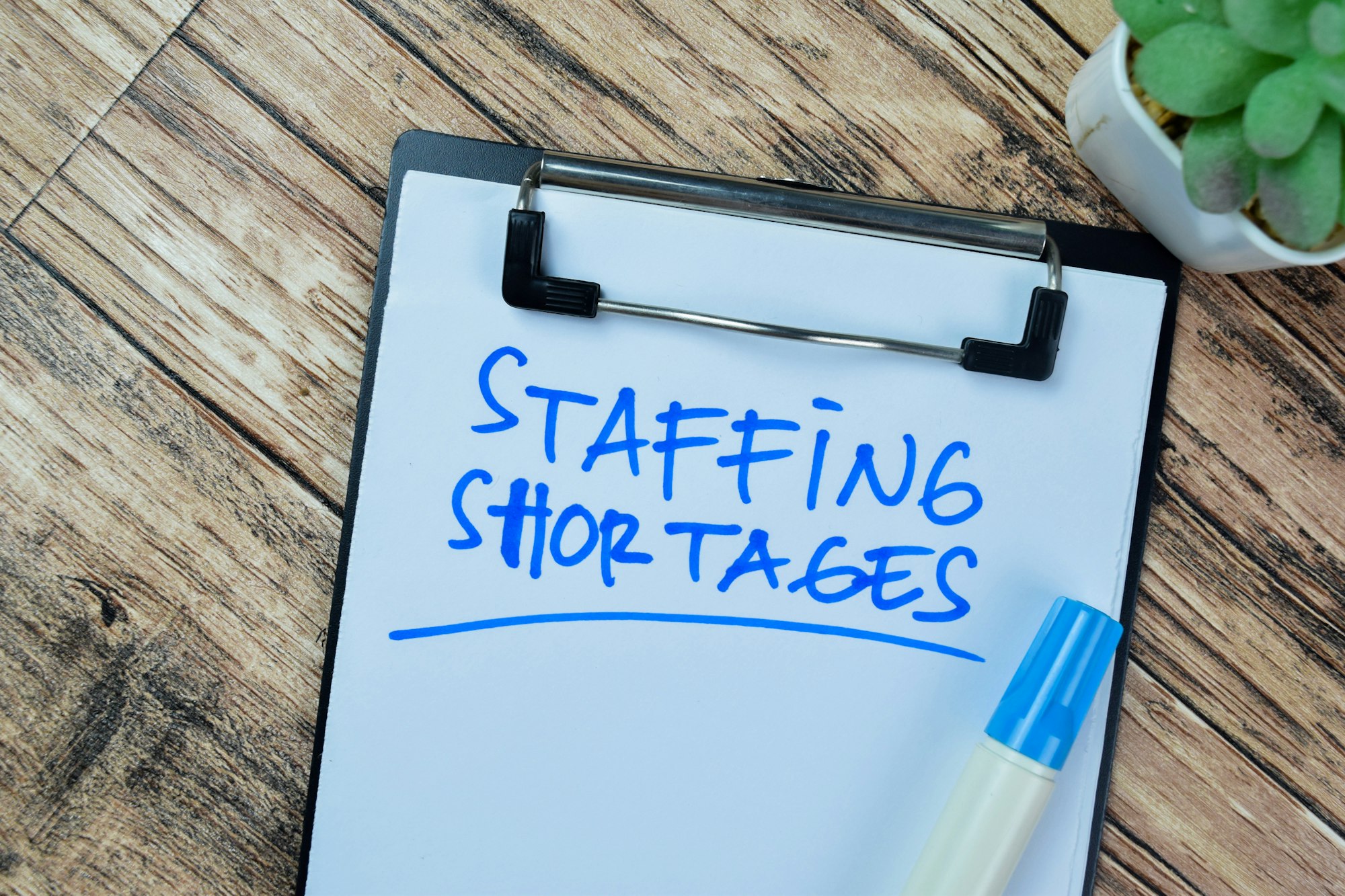
Across Colorado, special districts are confronting a workforce reality that many sectors know all too well: there simply aren't enough hands to do the work. These staffing shortages aren’t unique to government entities, but the way they present in special districts—which operate with tight budgets and highly specialized service demands—can strain operations and morale in ways that require thoughtful, structured responses.
What’s Driving the Shortages?
Staff shortages stem from a constellation of economic and demographic forces. Colorado’s 2025 Talent Pipeline Report indicates that educators will need to focus on supporting homegrown talent in the K-12 system to meet the skillsets employers demand. Factors such as federal immigration policy changes, declining birth rates, and an aging workforce all contribute to the shortage in labor availability.
In addition, certain specialized fields, such as healthcare and education, have been grappling with chronic workforce gaps for years. For example, Colorado’s educator shortages meant hundreds of teaching and support positions went unfilled in the 2022-2023 school year, requiring districts to rely on emergency authorizations and alternative licensure pathways just to keep classrooms staffed.
In the broader public sector, regional budget constraints compound the problem. Some state agencies and local governments have acknowledged hiring freezes or hiring challenges even as workloads grow, forcing existing staff to shoulder more responsibility with no end in sight. This fiscal year, local governments must forge a way forward with $140 million in state funding cuts. Next year, budget analysts predict up to another $850 million could be cut from the budget.
Facing such extreme budget limitations, the state has already seen layoffs begin to happen, with potential for more to come. Layoffs don’t just mean losing employees—they also mean losing valuable industry knowledge and experience, with Denver’s transportation and planning and transportation departments taking the biggest hits.
The City of Aurora, on the other hand, plans to tackle their $20 million shortfall by other means such as furloughs, leaving vacant positions unfilled, and borrowing from other sources.
All of this plays out against a backdrop of broader economic headwinds: rising cost of living, housing affordability challenges, and labor competition from the private sector—all pulling potential workers away from public service roles that may offer less pay and fewer perks.
How Do Shortages Happen in Special Districts?
Staffing shortages in special districts often start with what might seem like simple, even administrative challenges:
- Budget constraints limit the number of positions a district can fund.
- Inability to compete on compensation with larger municipalities or private employers leaves key jobs unfilled.
- Specialized skill requirements narrow the candidate pool, especially for technical roles like water operators, GIS technicians, or equipment mechanics.
Once a position goes unfilled, the impact ripples outward. Remaining staff are pulled into overtime shifts, delaying projects and daily service delivery. With fewer people to share institutional knowledge, training and onboarding take a back seat, making it even harder to bring new hires up to speed.
In some rural Colorado regions, the fundamental issue is simply a lack of available workers with the requisite skills. Studies have found significant mismatches between job postings and unemployed workers in rural counties, particularly in transportation and healthcare sectors—a trend that can extend to any specialized functions within a district.
Resisting the “Do More with Less” Mentality
When budgets are tight and staffing is lean, it is tempting to fall back on the mantra of “doing more with less.” However, this often translates into more pressure and burnout for existing team members—a short term fix that accelerates turnover and undermines service quality.
“Doing more with less” overlooks a key reality: human capacity is not infinitely flexible. Piling additional tasks on a shrinking team without support can lead to increased sick leave, unplanned absences, higher turnover due to burnout, more errors, and slowdowns as staff juggle competing priorities.
Instead of stretching people thinner, leaders should aim to strengthen the team’s core resilience, focusing on sustainable workloads, clear priorities, and systems that support efficiency without exhausting people.
Strategies for Making the Most of a Lean Team
With recruitment challenges unlikely to disappear overnight, special districts need approaches that help existing teams thrive and encourage sustainable growth. Here are five strategies that have worked across sectors:
- Prioritize retention through engagement and morale. Boosting morale isn’t about gimmicks—it’s about making work meaningful and supported. Regular check-ins, authentic recognition, and tangible feedback loops help teams feel seen and valued. Research into workforce shortages underscores the importance of employee engagement in reducing turnover.
- Invest in training and development. Cross-training staff increases flexibility. When employees gain new skills, whether through internal programs or external certifications, they are more effective and more likely to stay. Building internal talent pathways is also a recruitment magnet: candidates want chances to grow, not just fill seats.
- Lean into flexible work arrangements. Remote work, flexible hours, compressed work weeks, and other arrangements expand the pool of candidates, including parents, retirees, and part-time professionals who might otherwise be unable to take traditional roles.
- Optimize processes and leverage technology. Efficiency gains don’t always come from people. Better use of technology, from scheduling tools to automation where appropriate, can reduce repetitive work and free up staff for higher value tasks.
- Build community and partnerships. Partnering with local schools, technical colleges, and workforce programs builds a strong lineup of future workers. Districts that engage the community through internships, apprenticeships, or shared recruitment events tap into local talent that might otherwise overlook public service careers.
Fortunately, special districts don’t have to solve these challenges alone. Building a sustainable workforce is not just about hiring—it is about strengthening the systems that support the employees you already have. That's where targeted resources can make an immediate difference. Training opportunities—for example, cross-training an employee in an area they’re unfamiliar with—can help staff expand their skill sets and increase operational flexibility. Team building initiatives such as meeting icebreakers can strengthen communication and collaboration, especially in smaller departments where every role matters. And, practical tools, such as overtime management guidance and workforce planning support, can help district leaders avoid burnout cycles while still meeting service demands.
The CSD Pool offers resources (at no-cost to members) designed to help districts protect their people while maintaining the level of service their communities rely on. Some of those include:
- 10 hours of training with CPS HR Consulting to help attract, retain, and align employees and organizational goals
- Supervisor training & leadership development trainings through Vector Solutions
- Team building trainings through Vector Solutions
- Webinar on managing overtime (sign up to watch live March 10, 2026, or catch the replay)
Looking Ahead: Opportunity in Challenge
Staff shortages are undeniably challenging, but they also invite innovation. When a district embraces sustainable workforce strategies, it not only improves service delivery—it builds a workplace culture that attracts and retains talent. Studies highlight having flexible work hours proves important for 83% of Americans, with 74% saying flexible location is just as crucial. Similarly, the case for leveraging technology can be seen through companies such as the Associated Press and their use of AI, ultimately freeing journalists’ time and allowing them to focus on more complex stories.
Colorado’s tight labor market and evolving economic landscape mean that competition for workers will continue. But districts that invest in people will find themselves better positioned for the future.