Delivering Water, Stewarding Communities, and Leading with Safety: Member Spotlight on Northern Water
May 20, 2026 | Paige Wharton
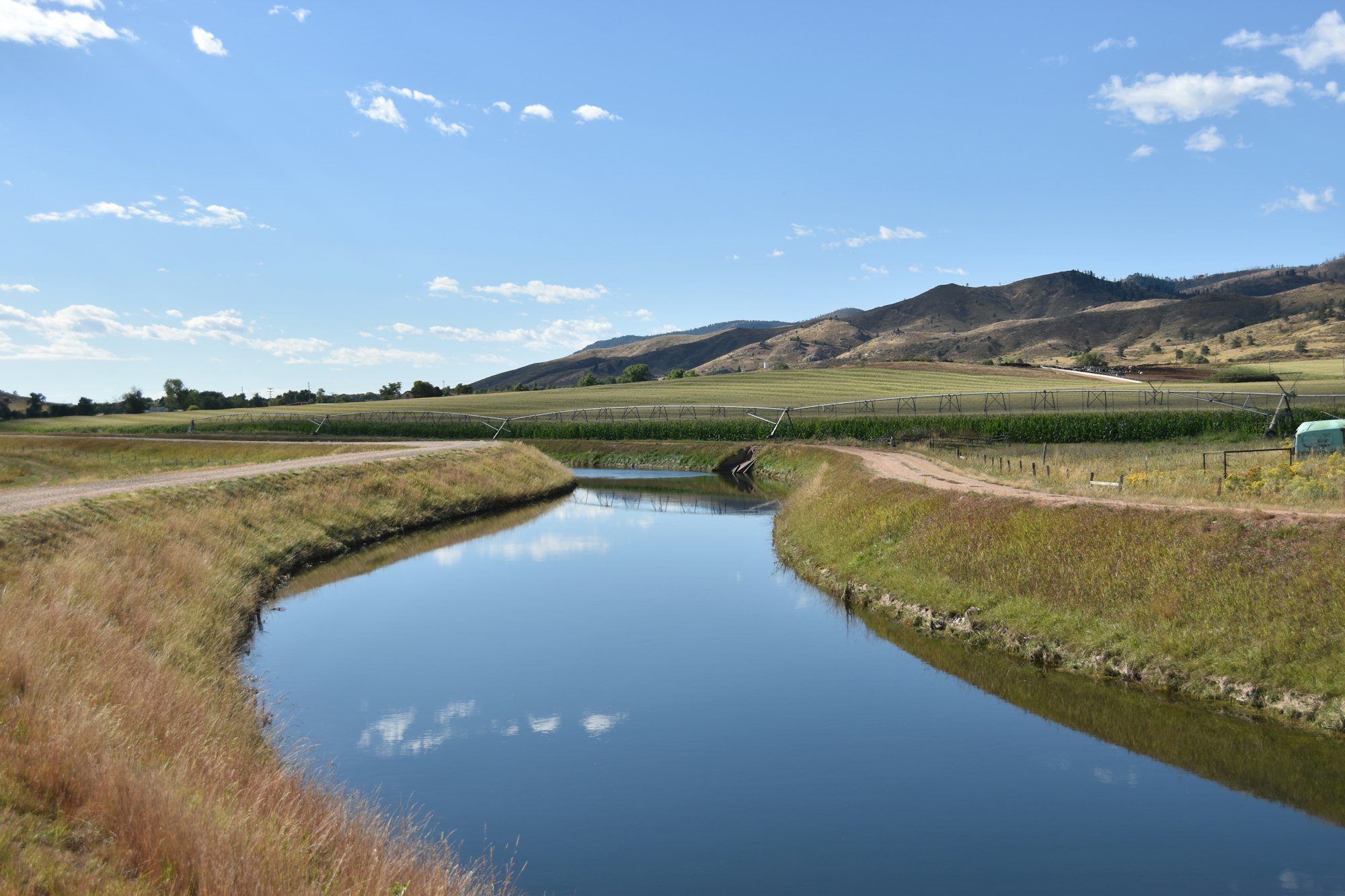
For nearly a century, Northern Water has played a foundational role in shaping the future of water conservation in Northern Colorado. Established in 1937, the organization partners with the U.S. Bureau of Reclamation to jointly operate and maintain the Colorado-Big Thompson (C-BT) Project—an expansive system that captures water west of the Continental Divide and delivers it across Northeastern Colorado. Today, that system supports more than 1.1 million people and irrigates approximately 615,000 acres, serving agricultural, municipal, domestic, and industrial needs.
While Northern Water’s legacy is rooted in water collection and delivery, its work has evolved to meet the growing and changing demands of the region. From maintaining canals and collecting water data to guiding complex infrastructure projects through regulatory processes, Northern Water’s day-to-day operations reflect a careful balance of reliability, sustainability, and proactive planning.
At the heart of this work are major initiatives designed to build long-term drought resiliency. As Public Information Officer Jeff Stahla explains, “The Colorado-Big Thompson Project, now nearly 90 years old, was conceived to help the region cope with drought conditions. The supplemental water supply it adds to Northern Colorado can ensure that farmers can produce a crop, and that cities and industries will have the water they need for their activities.” Through strategic annual allocations, the project helps stabilize water availability—releasing more in dry years and conserving in wetter ones.
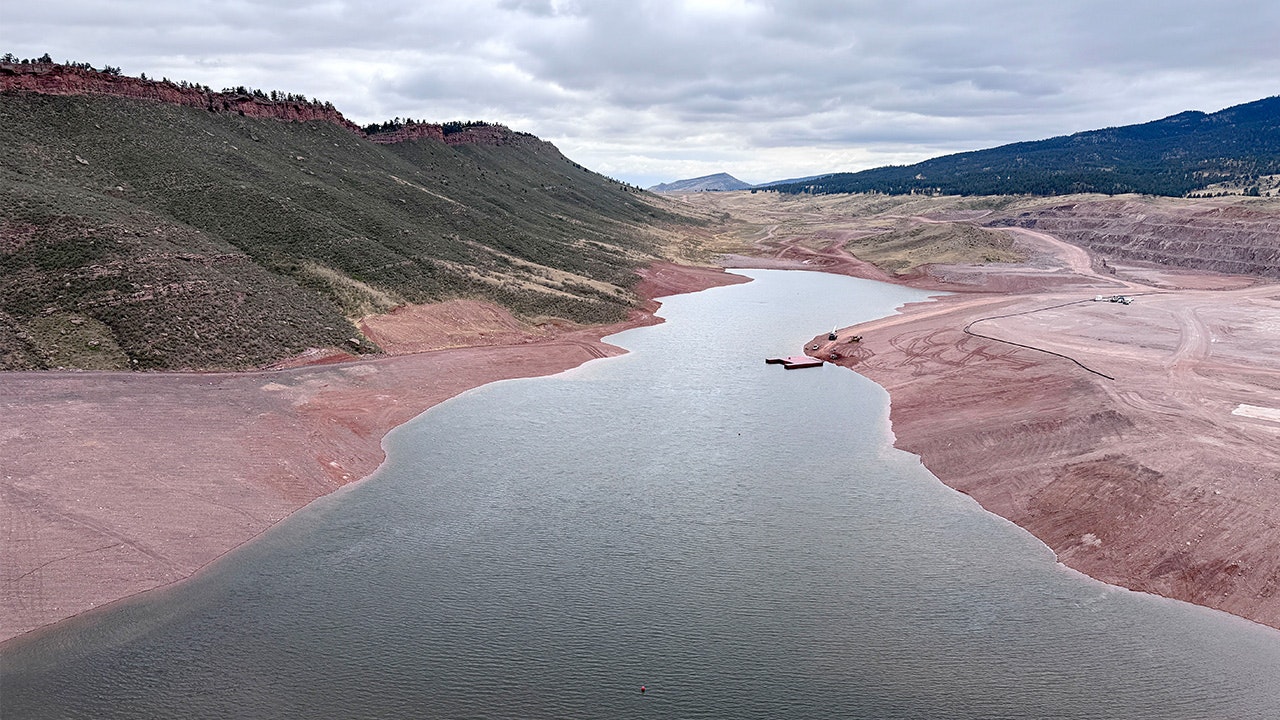
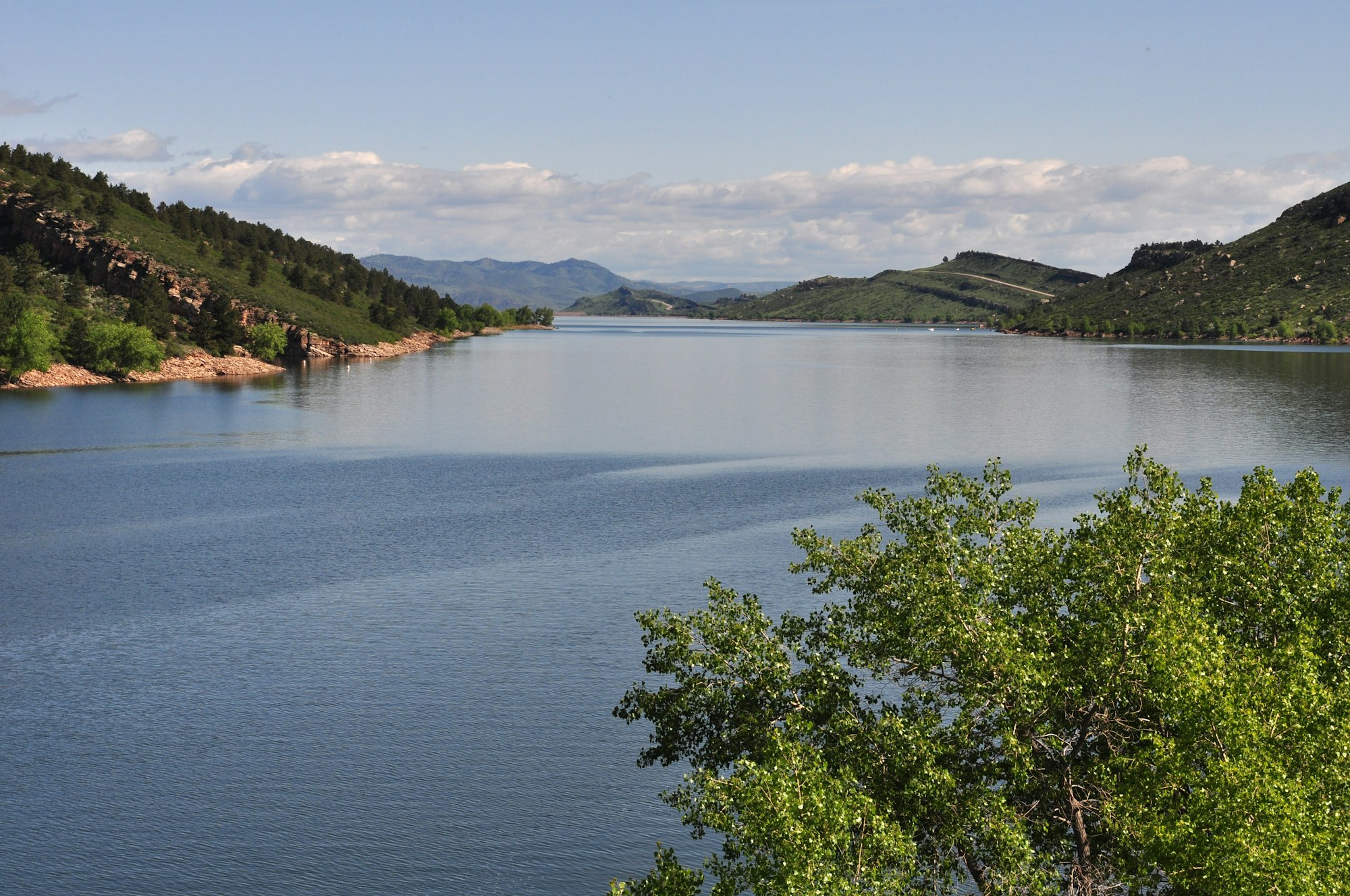
Complementing this effort is the Windy Gap Project and its recent milestone achievement: the Chimney Hollow Reservoir. Designed to store water during wet years for use during dry periods, the reservoir provides what Stahla describes as “a valuable insurance policy for when dry years occur on the Front Range.” Together, these projects are critical not only for water reliability, but for supporting the region’s economic growth and diversification.
Beyond infrastructure, Northern Water demonstrates a strong commitment to environmental stewardship and community engagement. Conservation is embedded into its operations, with programs that help water users adopt more efficient practices while protecting natural systems. At its Berthoud headquarters, Northern Water’s Conservation Gardens offer a tangible example of this mission in action—showcasing water-wise landscaping techniques that also support fire resilience. The organization extends its reach through conservation audits, grant programs, and community events like the annual Conservation Gardens Fair, which Communications Department Manager Kristi Ritter, describes as “a fun and family-friendly Berthoud community tradition” that educates residents on sustainable water use without sacrificing curb appeal.
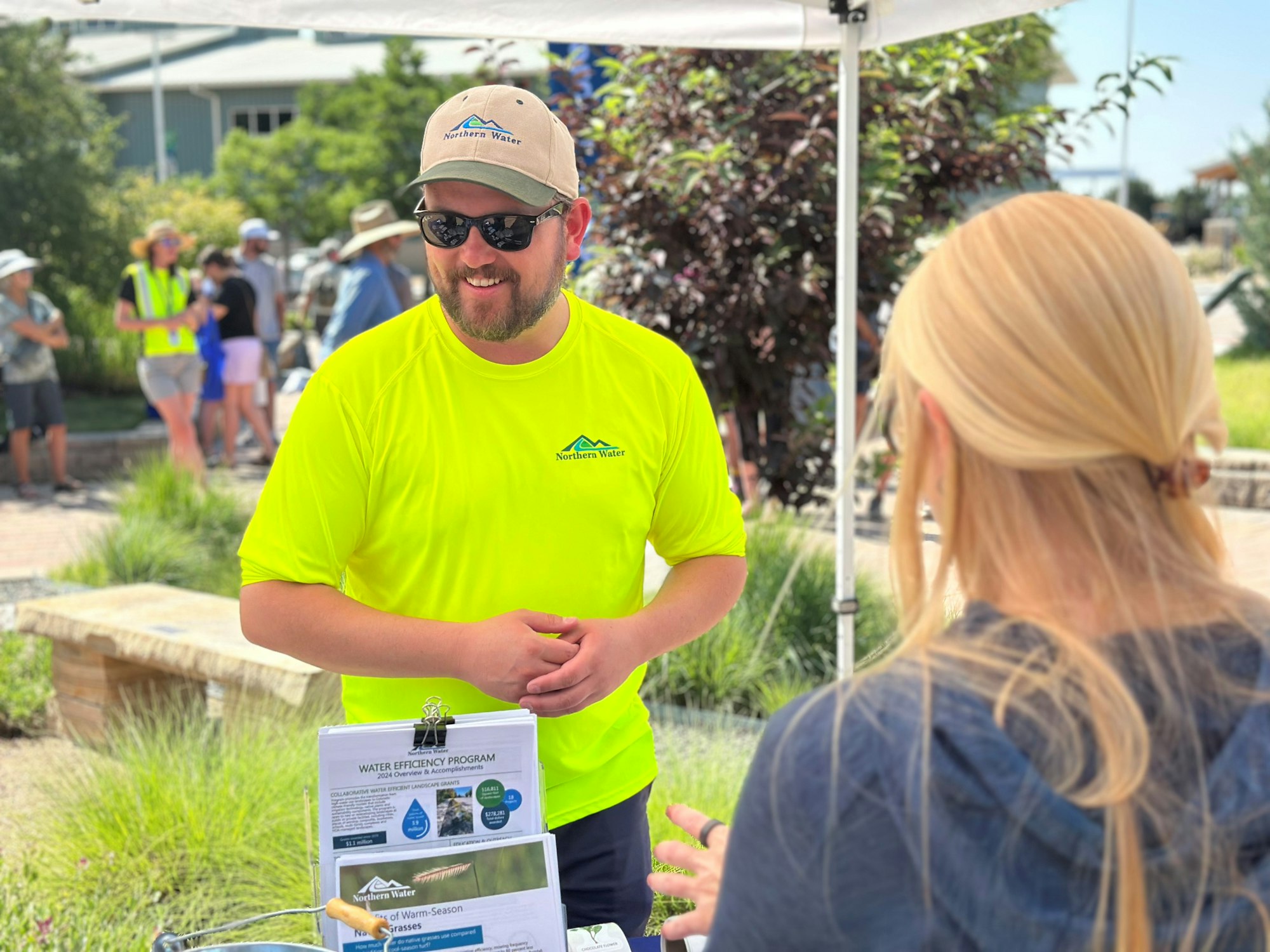
These efforts are grounded in a broader philosophy of stewardship. As Sander Blackburn, Director of Finance & Administration, notes, “Conservation efforts help ensure reliable water supplies, healthy rivers and watersheds, and long-term resilience for the communities Northern Water serves.” By integrating environmental considerations into planning and operations, Northern Water is working to protect both current and future generations.
Equally central to Northern Water’s mission is its unwavering focus on safety—a priority that aligns closely with a shared commitment to risk management and loss prevention. Across the organization, safety is not confined to a single department; it is a shared responsibility embedded in every level of operations.
This commitment to safety is underscored in Northern Water’s annual Safety Day—organized by Safety Department Manager Todd Klimkowsky—which serves as a powerful reflection of this focus. Bringing together employees from across departments, the event combines hands-on training with team-building opportunities, reinforcing both technical skills and organizational cohesion. Whether learning specialized field safety techniques or gaining practical knowledge for everyday situations, employees leave better equipped to protect themselves, their colleagues, and the communities they serve.
Klimkowsky echoes the message behind Safety Day, noting, “We believe a workforce that is well educated in matters of safety is key to creating a safe work environment. We continue to build a safety culture at Northern Water where safety is everyone’s job.”
In addition to organizational safety, Northern Water places a strong emphasis on cyber resilience, recognizing the importance of safeguarding the systems and data that support critical water operations. As Blackburn explains, fostering “a culture of vigilance and continuous learning” helps reduce cyber risk and maintain the reliability that communities depend on.
Operating as a supplemental water provider also presents unique safety challenges. With some activities falling outside standard regulatory frameworks, Northern Water has taken a proactive approach, developing customized safety protocols and leveraging industry partnerships to ensure best practices. Through implementing pipeline repair safety limits and investing in advanced monitoring technologies, the organization continuously adapts to meet evolving risks.
Looking ahead, Northern Water’s risk management goals remain clear and ambitious: zero accidents and injuries, supported by ongoing improvements in safety practices and technologies. This commitment extends to protecting infrastructure, strengthening operational resilience, and proactively addressing environmental, regulatory, and financial risks.
Ultimately, Northern Water’s impact is both far-reaching and deeply local. Much of its work happens behind the scenes—maintaining infrastructure, monitoring water systems, and coordinating with partners—but its effects are felt every day by the communities it serves.
That quiet, consistent dedication is driven by the people behind the organization. “Northern Water’s strength lies in its people,” Blackburn shares. “Our employees share a strong sense of stewardship, collaboration, and commitment to excellence in managing a vital public resource.”
From delivering clean, reliable water to advancing conservation and safety, Northern Water exemplifies what it means to serve both community and environment with integrity. Their work not only sustains life across Northern Colorado today, but also helps ensure a resilient, secure future for generations to come.
To learn more about Northern Water’s projects, visit www.northernwater.org.