
Weather Events: Claims Overview with CSD Pool’s Claim Advocacy Expert Paula Lowder
March 3, 2026 | Makenzie Kellar
The CSD Pool is dedicated to helping members recover from losses. Unfortunately, the list of things that cause losses seems to be never-ending: fires, work accidents, auto accidents, burglary, vandalism, cyber attacks, and more.
But with districts facing so many possible threats, it begs the question of which one is the most relevant to districts? What is the top cause of loss?
When it comes to property, the answer is a straightforward one: weather events. In 2024, weather events cost our members a whopping $34,649,676, making it the top cumulative cause of property loss for the year. It was also the top cause of loss in 2023, 2022, and 2021.
But what exactly is considered a “weather event” when it comes to filing claims? And how can special districts protect themselves and avoid being another dollar in this statistic? To find out, I sat down with Paula Lowder, our Claims Advocacy Manager, to talk about all things weather claims: what they are, what claims tend to be the costliest, and what you can do to avoid weather damage in the future.
What is a “Weather” Claim?
“Weather” is not a term that is defined in the CSD Pool’s Property and Liability Coverage form. This is for two reasons, the first being that “weather” is a category for examining losses after the fact rather than determining eligibility for compensation. The second, of course, is that there are so many different kinds of weather events that make up this type of claim that defining it becomes an exercise in futility.
“In springtime and summertime, we could see flooding from heavy rains” Ms. Lowder noted. “We could see hail from those summer thunderstorms that we get. Wind can be anytime throughout the year in Colorado; high winds [occur] mostly during our winter season and early spring.”
Ms. Lowder continued to say that deep freezes were considered by claims adjusters as part of the “weather” category, right alongside claims related to burst pipes that the freezes cause.
While those make up the general causes of these types of claims, the resulting damages are as unique as special districts themselves. For wind alone, the CSD Pool has seen claims for damages to roofs, picnic tables, fencing, light poles, windows, district signs, and trees.
That’s not to say, however, that Pool members are never faced with extraordinary weather events. In one instance, heavy rains caused a sinkhole to open on district property. In another instance, a district employee had to abandon a vehicle on the road to escape safely in the midst of a flash flood.
Weather to Watch Out For
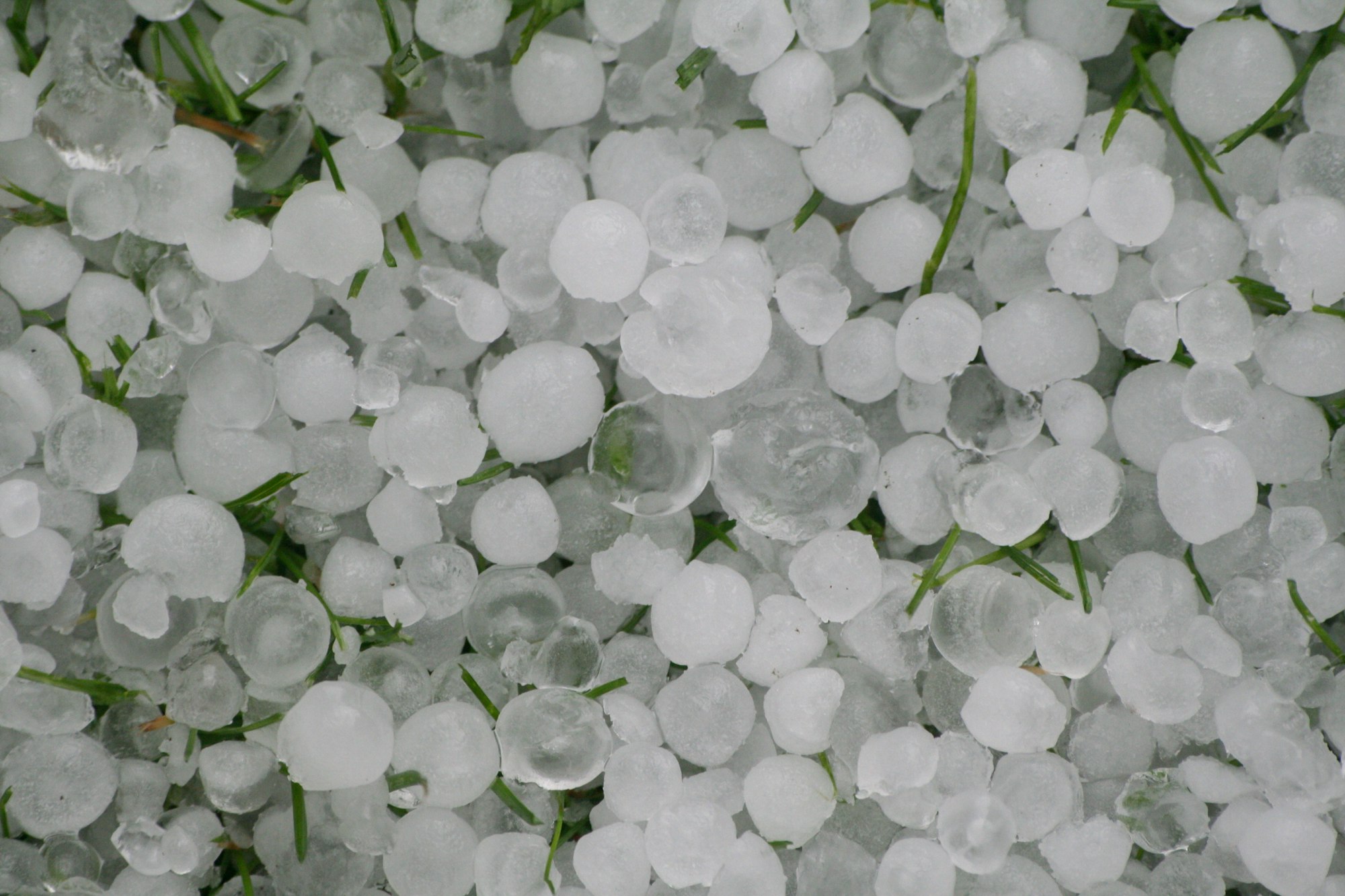
When asked what the costliest weather events tended to be, Ms. Lowder answered without hesitation: hail.
“It can come in an area and—depending on our membership in that area—we could have fire rigs, we could have a fleet of trucks out on the road, we could have multiple buildings that'll need roofs [fixed].”
The incredible cost of hail damage is not just limited to the CSD Pool, either. CBS News reported hail damage has driven up the cost of homeowners’ insurance more than even Colorado’s devastating wildfires. While initially shocking, the data backs up this reasoning. According to the National Oceanic and Atmospheric Administration’s report on billion-dollar weather and climate disasters between 1980 and 2024, wildfires made of 15.8% of the events counted and cost an estimated $5.0B–$10.0B in damages. Severe storms, the category which hail was counted under, made up 55.3% of events counted and cost $20.0B-$50.0B, making up a whopping 66.0% of the total cost of all billion-dollar weather events during this time.
While structural damage caused by hail is covered by the CSD Pool, cosmetic damage may not be covered. To ask questions about your coverage, reach out to the CSD Pool team at www.csdpool.org/connect.
How to Limit Weather Damage
When asked what districts could do to limit losses due to weather events, Ms. Lowder had one key piece of advice to offer.
“Pay attention to the weather forecast.”
While simple, the small act of staying aware of oncoming weather has the potential to save your district from filing and managing a claim, waiting on repairs, and the associated costs. Of course, knowing what the weather will be doesn’t do much good unless the appropriate actions are taken to handle it. Make sure that your fellow employees are also aware of potential weather threats by sending out emergency notifications. If your district does not already have a way to do this, check out the OnSolve mass communication platform, a partner of the CSD Pool that allows district management to message employees through email, text message, or phone calls.
For other ways to prepare for potentially damaging weather events, our Claim Advocacy Manager had several suggestions. First, if your district has vehicles, keep your fleet under cover whenever possible. Storing them in a garage or warehouse is ideal.
Second, take special precautions when there is a risk of a deep freeze. Drain any sprinklers or swamp coolers to limit burst pipes and water damage. Take care to disconnect any hoses from faucets on district property and make sure they are draining as well. For more information on how to properly prepare for specific weather events, the CSD Pool Safety Team offers trainings and consultations to members at no cost.
Finally, document the appearance and status of your property before and after inclement weather hits. Information on exactly what was damaged and how badly will make a claim far easier to process. It will also ensure that you’re never caught off guard by damages to property that you didn’t know existed in the first place.
How to File a Claim
Of course, while avoiding weather damage is ideal, there is always a chance that something slips through the cracks. If your district’s property is damaged by weather, report the claim as soon as possible! And remember, there is no penalty for filing a claim.
Specific instructions are located at csdpool.org/claims along with the appropriate forms to fill out. For property damage, select the Property and Liability Loss Report form, complete it, and then send it to Sedgwick Claims Management Services at cxcsd@sedgwick.com. The CSD Pool will be informed from there and will track the progress of your claim. If you would like to check in on the status of your claim, reach out to us at pc@csdpool.org.
While extreme weather will always be part of the hazards of operating in Colorado, staying informed about the claims process, paying attention to the weather, taking precautions, and reporting damages quickly will ensure that your district is kept in the best possible shape.