
Pickleball Eye Injuries: What Every Firefighter Should Know
April 3, 2024, updated December 3, 2025 | Charmaine Skoubo
*As a best practice, pickleball - as well as contact sports such as basketball, football, frisbee, competitive weightlifting, and similar - should not be regarded as on-duty workouts. Only workouts prescribed by professional trainers should take place within the course and scope of firefighting duties.
Pickleball: The Game That’s Kind of a Big Dill
Pickleball has taken the country by storm, growing from 3.5 million players in 2019 to 20 million players in 2024. With courts popping up everywhere from recreation centers to fire station bays, many firefighters have embraced the game as part of their fitness routine.
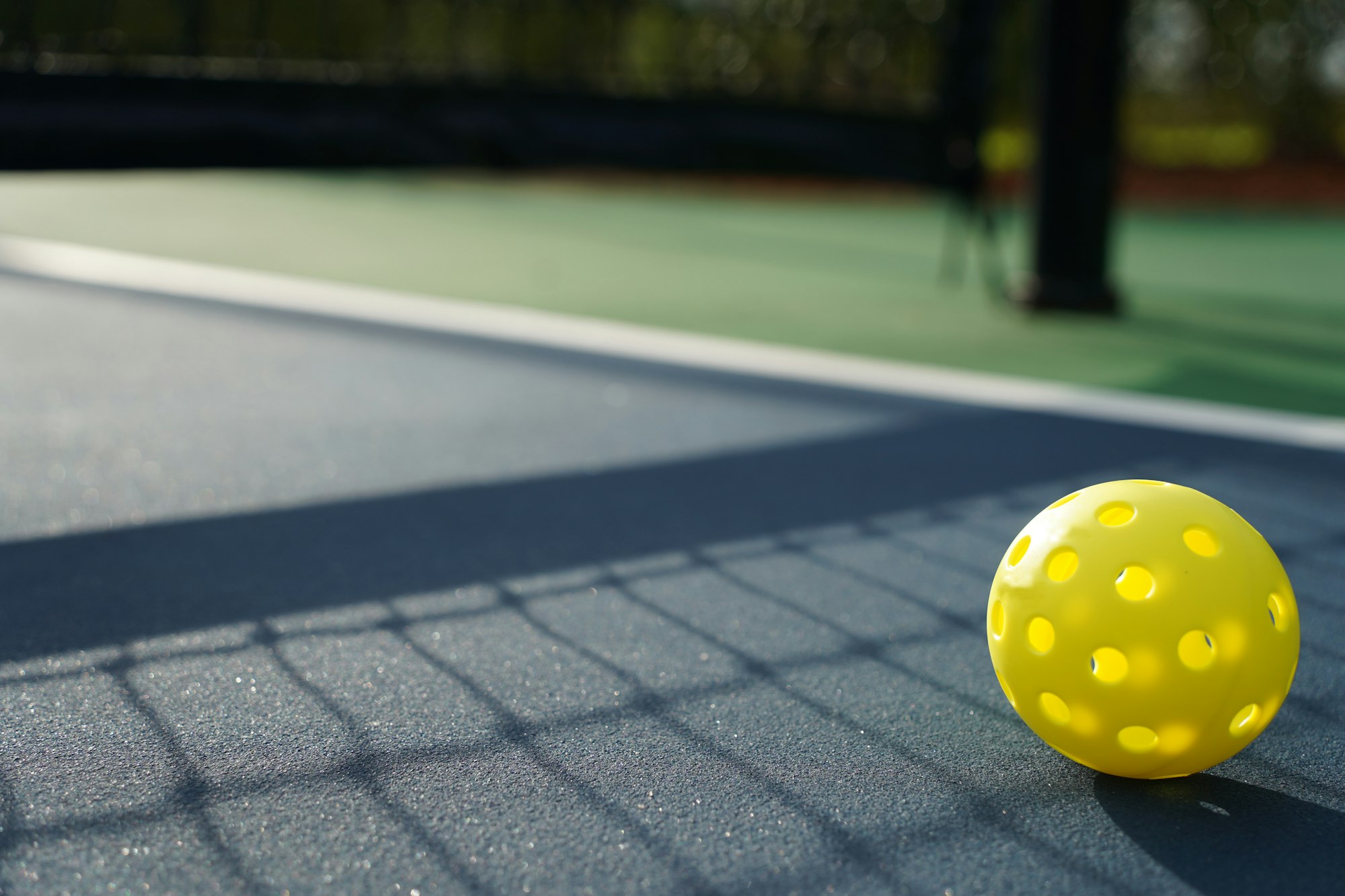
In case you’re unfamiliar with the sport, pickleball combines elements of badminton, tennis and ping-pong on a court with a perforated ball and a flat paddle. Players, known as “Picklers,” have engaged in the sport since the 1960s, which grew in popularity during the pandemic when people sought more outdoors activities.
The sport offers quick bursts of movement, teamwork, and a fun way to stay active during personal time off. However, as the sport has grown, so have the injuries—and perhaps most notably, eye injuries. For firefighters, whose operational readiness depends on sharp vision and rapid situational awareness, these injuries carry unique consequences.
A Growing Concern
A recent study found that between 2005 and 2024, more than 3,100 pickleball-related eye injuries were recorded in the U.S. with over 1,200 in 2024 alone. The incidence has been rising sharply with reports showing that injuries increased by over 400 cases per year from 2021–2024.
Given the sport’s surge, safety precautions simply have not kept up. Causes of eye injuries are often simple but serious: direct hits by balls, falls, and paddle strikes, resulting in black eyes, corneal abrasions, orbital fractures, globe trauma, retinal detachment, and more. And, it’s not just eye injuries – knee injuries and leg muscle tears have been on the rise, peaking a concern about the sport’s risk factors.
Why It Matters for Firefighters
For fire crews, maintaining vision is not just a health issue—it's a safety issue. Even a “minor” eye injury can temporarily remove a firefighter from duty or interfere with essential visual tasks.
Including pickleball in a station’s wellness or recreation program is not advised, as the game has potential to introduce unnecessary and avoidable risks. Since pickleball is played on a compact court, the window to react to a ball or paddle is often shorter than in other sports. Beyond that, fatigue from long shifts, dim lighting in station bays, and a “fun” atmosphere may further reduce reaction time and risk awareness and therefore is not recommended.
That said, should your crew still choose to participate in pickleball, we recommend it be on personal time and to take note of proper safety precautions – particularly eye safety. If played during a shift, departments should be prepared to pay substantially more for workers’ compensation costs.
Creating Safe Play Environments
The most effective way to prevent eye injuries is simple—wear protective eyewear. Professionals recommend glasses made of shatter-resistant polycarbonate with full front and side coverage. We recommend mandatory use of safety glasses when participating in the sport.
Should your agency choose to permit on-shift pickleball, a safety policy should be in place to help limit workplace injuries—for example, making protective eyewear a standard requirement. Policies should also include regular inspection of gear, replacement protocols when gear becomes worn or damaged. Note that injuries from pickleball are known to increase workers’ compensation rates for several years after the date of injury. Future budget increases to workers’ compensation should also be considered as coverage costs will increase alongside injury rates.
Beyond eyewear, the environment where pickleball is played matters. Poor lighting or glare can further erode reaction time, and uneven or cluttered court surfaces increase the chance of slips and falls, leading to secondary injuries to the eye from ball or paddle contact. Stations hosting pickleball should ensure courts, including covered ones, are well lit, free from overhead obstructions or distractions, and have adequate space around them. Additionally, surfaces should be free from wet or oily surfaces that could create potential slip hazards.
New players should begin with short, lower-intensity sessions before engaging in full match play. Using slower balls during warm up or with less experienced players can reduce impact force and give reflexes time to adjust. Recognizing signs of visual discomfort post play, such as blurred vision, floaters, or light sensitivity, should trigger immediate evaluation by a medical provider.
Alternatives & Best Practices for Reducing On-Site Exercise Injuries
Since firefighters need to remain physically fit, it’s important to provide professionally prescribed workouts to give ample opportunities for exercise while adhering to safety standards. The best way to accomplish this is through consulting a professional to prescribe workouts specific to the crew’s tasks which limit exposure to the perils of sport injuries.
Aside from pickleball, some great low-risk and low-impact workouts include walking, cycling, elliptical training, resistance training, swimming, and yoga. Low-impact exercise refers to any activity that doesn’t place a lot of strain or weight through the joints. When running or jumping, it puts stress on our joints and bones, which isn’t always a bad thing, as it tells your bones to lay down newer and stronger tissue. However, it can also damage muscles, joints, and connective tissues if they’re not strong enough to handle it.
Other morale boosting and team building activities may include croquet, dominos, card games, or yard games such as cornhole.
Whether choosing an employer-prescribed workout or a sport played while off duty, everyone should take the proper precautions to reduce the risk of injuries and strains.
Here are some tips to be safe while getting your exercise:
- Warm Up Properly: Always start with a warm-up to prepare your muscles and joints for exercise. This can include light cardio and dynamic stretching.
- Stay Hydrated: Drink water before, during, and after your workout to prevent dehydration. The amount depends on the intensity and duration of your exercise.
- Use Proper Form: Maintain good form during exercises to avoid injuries. If you’re unsure, consider working with a fitness professional or using instructional videos.
- Gradual Progression: Increase the intensity or duration of your workouts gradually. Sudden spikes can lead to injuries or burnout.
- Listen to Your Body: Pay attention to any pain, discomfort, or unusual feelings during exercise. If something doesn’t feel right, stop and seek advice if needed.
- Include Rest Days: Your body needs time to recover. Incorporate rest days into your routine to prevent overtraining and reduce the risk of injuries.
- Wear Appropriate Gear: Use proper eyewear, footwear, and clothing suitable for your type of exercise to enhance comfort and reduce the risk of accidents.
- Cross-Train: Mix up your workouts to avoid overuse of specific muscles and reduce the risk of repetitive strain injuries.
- Cool Down Every Time: Cooling down should include 10-15 minutes of light stretching post-workout to help elongate muscles after exercising them.
While it’s impossible to reduce the risk of an exercise-related injury to zero, sticking to these tips can provide a good foundation and help you stay, well, out of a pickle. Organizations may also consider hiring a professional trainer as an injury prevention best practice.
Pickleball can be a costly addition to a fire station’s wellness program, and policy should clearly state that the game is outside the course and scope of duty – not part of a prescribed workout. Furthermore, injuries should not be expected to be paid for under the employer's worker’s compensation program.
While pickleball may provide some benefits, safety must come first. For fire personnel, whose visual acuity is part of their operational tool set, safeguarding the eyes is non-negotiable. We recommend departments discourage pickleball, but if you are going to participate, we recommend it be off duty, with protective eyewear, strong policies, and attention to environmental factors.